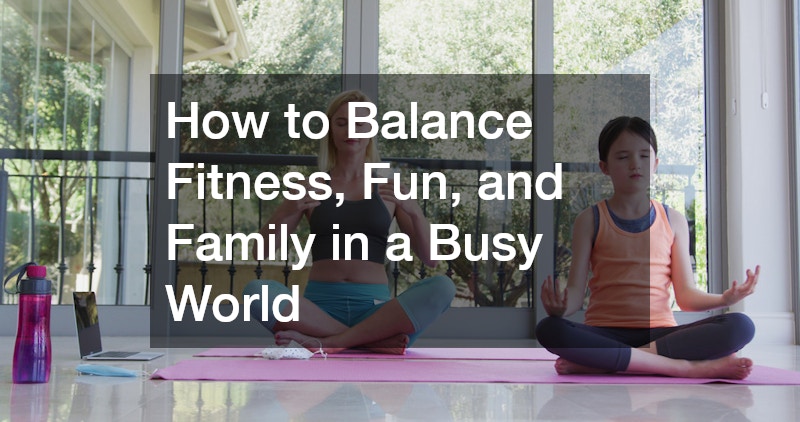

In today’s fast-paced world, balancing personal health, family commitments, and moments of leisure often feels impossible. Between work deadlines, school schedules, household chores, and social obligations, carving out time for yourself can seem like a luxury. Yet, maintaining a healthy lifestyle and fostering strong family connections is essential not only for physical well-being but also for mental and emotional health.
Finding the right balance isn’t about doing everything perfectly—it’s about creating a lifestyle where fitness, fun, and family coexist harmoniously. By being intentional about how you allocate your time, choosing activities that benefit both mind and body, and making small but meaningful changes to your routines, you can build a sustainable approach to living well. This guide provides actionable strategies to help busy individuals integrate health, recreation, and family bonding into their everyday lives, making even the busiest schedules feel manageable and enjoyable.

Schedule Your Week Like a Pro
One of the most effective ways to balance multiple priorities is by creating a weekly schedule that accounts for work, family obligations, fitness, and leisure. Time-blocking can help ensure that nothing important slips through the cracks while allowing you to maintain flexibility. Setting aside specific times for exercise, family meals, and personal downtime helps make these activities non-negotiable parts of your routine. Over time, this structured approach reduces stress and creates a predictable rhythm that benefits everyone in the household.
Start by mapping out non-negotiable commitments like work hours, school drop-offs, or appointments. Then, identify pockets of time for fitness and fun activities. For example, scheduling morning workouts can boost energy and focus for the day ahead, while evening blocks might be better for family dinners or leisurely walks. Consider using a shared calendar for the entire family so everyone knows what’s planned and can participate. This visibility also helps prevent conflicts and ensures that both personal and family priorities are honored.
Tips for an efficient schedule:
- Prioritize high-energy activities: Plan demanding tasks when you feel most alert, such as tackling workouts, important projects, or errands that require focus. Aligning high-energy tasks with your natural energy peaks makes them easier and more efficient to complete. This approach reduces fatigue and helps you maintain productivity throughout the day.
- Set realistic goals: Avoid overloading any single day; it’s better to have consistent, manageable routines than sporadic bursts of activity. Breaking larger tasks into smaller, achievable steps keeps momentum steady and prevents burnout. Celebrating these small wins also boosts motivation and reinforces positive habits.
- Combine tasks when possible: Walk or bike to appointments to sneak in exercise, or pair household chores with physical activity like stretching or squats. This strategy saves time while still allowing you to stay active. Over weeks and months, these small efficiencies accumulate into significant health benefits.
Joining a local fitness club can simplify this process. Structured classes and scheduled sessions create accountability, helping you stick to a routine even when life feels chaotic. Similarly, scheduling occasional visits to day spas offers a built-in opportunity for rest and mental recovery, ensuring that downtime is treated as a priority rather than a luxury. You can also combine these activities with social interaction, turning workouts or spa visits into enjoyable outings with friends or family. Over time, these planned moments of self-care help maintain both physical health and mental clarity, making it easier to handle busy weeks.
Make Fitness a Family Affair
Exercise doesn’t have to be a solo endeavor. Involving your family in physical activities not only promotes health but also strengthens bonds. Weekend hikes, cycling trips, or even backyard obstacle courses can be both fun and beneficial for everyone. Even simple routines, like morning stretches together or a quick game of catch after school, can help make movement a natural part of daily life. Over time, these shared activities build a culture of wellness and cooperation within the family.
Small adjustments can make a big difference:
- Family walks after dinner: A simple habit that encourages movement while allowing for conversation. These walks provide a gentle way to digest dinner, relieve stress, and check in with each other about the day. Over time, they become a predictable, bonding routine that promotes both fitness and family connection.
- Weekend sports tournaments: Set up friendly matches of soccer, basketball, or even frisbee. Turning exercise into a playful competition keeps everyone engaged and motivated. These activities also teach teamwork, sportsmanship, and healthy ways to handle both winning and losing.
- Interactive home workouts: Use online fitness videos that are family-friendly, making workouts playful rather than chore-like. Kids and adults alike can follow along, turning exercise into a shared, fun experience. Regular participation helps build consistency and becomes a natural part of the family routine.
Maintaining health for the whole family sometimes requires professional guidance. Consulting podiatrists for foot health can prevent injuries during active outings, while regular check-ups with a family dentist ensure everyone maintains overall wellness. Framing fitness in this way—not as a chore but as part of a proactive health routine—encourages participation and consistency. Additionally, teaching children to value preventive care helps instill lifelong habits that support both physical and mental well-being. By connecting professional guidance with everyday activities, families can enjoy safer, more confident participation in fitness and recreational activities.

Turn Mealtimes Into Quality Family Time
Mealtime is one of the easiest ways to blend family bonding with practical health habits. Preparing meals together can teach kids about nutrition, create shared memories, and streamline weekday routines. Consider creating a “meal rotation” where each family member picks a recipe or cooking task, making everyone feel involved.
Batch cooking on weekends saves time during busy weekdays, and simple tricks like pre-chopping vegetables or using slow cookers can make weekday meals stress-free. Involving kids in meal prep can turn cooking into a fun learning activity while freeing up some of your time. Planning meals ahead also helps ensure nutritional balance and reduces the temptation of last-minute unhealthy options.
Occasionally dining out is another way to combine enjoyment with convenience. Choosing a favorite restaurant for family dinners or celebrations can create memories and provide a mental break from meal prep. In addition, having essentials like medications, vitamins, or supplements organized through a compounding pharmacy ensures that your family stays healthy without last-minute stress, especially when schedules are tight.
Blend Fun With Fitness Through Creative Classes
Not all workouts have to feel like work. Fitness can be enjoyable, social, and creatively stimulating if you explore different options. Adult dance lessons, for example, provide a cardiovascular workout while also offering an opportunity to learn new skills and socialize. Dance styles like salsa, swing, or even hip-hop can be an exciting alternative to traditional exercise routines. Trying new activities keeps motivation high and prevents workout boredom from setting in. Sharing these experiences with friends or family can also strengthen relationships while keeping everyone active.
For long-term family fun and fitness, investing in home resources can also help. A custom pool builder can create a backyard space where swimming becomes both a workout and a playful activity for the entire family. Even short swim sessions count toward cardiovascular health, while also allowing children to have fun in a safe, controlled environment. Integrating playful physical activities into your schedule helps ensure that fitness doesn’t feel like an obligation but rather an enjoyable part of daily life.

Maintain Your Home as a Stress-Free Zone
A well-maintained home can significantly reduce stress, freeing up time and mental energy for fitness and family activities. Delegating routine chores or investing in professional services allows you to focus on what truly matters. Even small improvements, like organizing common spaces or setting up efficient storage systems, can create a calmer environment. When your home feels orderly and functional, it becomes easier to relax, recharge, and enjoy quality time with loved ones.
Simple strategies include:
- Outsourcing lawn care: Letting professionals handle mowing, trimming, and seasonal maintenance saves time for family outings or workouts. It also reduces stress by taking routine chores off your plate, giving you more mental bandwidth to focus on meaningful activities. Over time, delegating these tasks helps maintain a well-kept home without sacrificing precious family or personal time.
- Upgrading your water system: Installing a quality water system ensures everyone stays hydrated effortlessly, supporting overall wellness without added hassle. Consistent access to clean, filtered water encourages healthy habits for both adults and children. It also simplifies daily routines, allowing the family to spend more time on activities that promote fitness and connection.
These seemingly small adjustments create an environment conducive to balance. When household stress is minimized, you and your family can engage more fully in active, enjoyable, and restorative experiences. With less mental clutter, it’s easier to focus on meaningful moments, whether that’s a family game night or a morning workout. Over time, these small changes compound, making a balanced lifestyle feel natural rather than forced.
Use Micro-Moments for Fitness and Fun
Even if your schedule is packed, you can utilize small pockets of time to stay active or inject fun into the day. Micro-moments—those 10–15-minute intervals between tasks—can be surprisingly effective when approached intentionally. Using these brief windows consistently can help build healthy habits without adding stress to your day. Simple activities, like stretching, a quick dance to your favorite song, or a mini scavenger hunt with your kids, can make a big difference over time.
Ideas include:
- Quick workouts: Bodyweight exercises, stretching, or a few yoga poses during breaks can boost energy and circulation. Even five to ten minutes can improve focus and reduce tension, making the rest of your day more productive. Over time, these micro-workouts accumulate into meaningful fitness benefits without requiring a large time commitment.
- Walk-and-talk meetings: Instead of sitting at a desk, take calls while walking, either around your office or outdoors. This simple habit combines work with physical activity, improving creativity and reducing stress. It also encourages better posture and provides a refreshing mental break from screen time.
- Mini family games: Simple games like tossing a ball in the yard, hopscotch, or a quick scavenger hunt can energize everyone and promote family bonding. These short bursts of movement help children burn off energy while giving adults a fun way to stay active. Repeating them regularly can create enjoyable routines that integrate fitness naturally into daily life.
The key is consistency, not duration. Small, frequent efforts compound over time, keeping fitness and family engagement steady even during hectic periods. By treating these micro-moments as non-negotiable parts of your day, they quickly become habits rather than chores. Over weeks and months, these little actions add up to noticeable improvements in health, mood, and family connection.

Plan Ahead for Stress-Free Weekends
Weekends are ideal for blending leisure, fitness, and family without the constraints of weekday schedules. Planning ahead prevents last-minute stress and ensures that all members can enjoy meaningful activities. Consider creating a flexible itinerary that balances active outings with restful moments, so no one feels rushed or overwhelmed. Even small gestures, like preparing snacks in advance or choosing a scenic route for a walk, can make the experience smoother and more enjoyable for everyone.
Tips for balanced weekends:
- Alternate solo and group activities: Allow time for personal hobbies while also scheduling family outings. This ensures that everyone’s individual interests are nurtured while still prioritizing quality family time. Striking this balance can prevent burnout and keep weekends enjoyable for all members.
- Create themed days: Designate a Saturday morning for outdoor adventures and Sunday afternoon for creative play or relaxation. Themed days make planning simpler and give the family something to look forward to. They also help establish routines that feel fun rather than forced.
- Prep in advance: Pack snacks, plan routes for hiking, or schedule appointments ahead to maximize efficiency. Preparing ahead reduces stress and allows more time to focus on enjoying the activities rather than managing logistics. Small steps like this can transform a hectic weekend into a smooth, memorable experience.
By viewing weekends as intentional opportunities for connection and wellness, you ensure that downtime contributes to both enjoyment and health, rather than becoming another source of stress. Planning ahead allows you to create moments that everyone looks forward to, from family bike rides to leisurely brunches. Even simple rituals, like a morning coffee together or a walk around the neighborhood, can become meaningful anchors that set a positive tone for the entire week.
Balancing fitness, fun, and family in a busy world requires deliberate planning, creativity, and consistency. By structuring your week, involving your family in active pursuits, turning meals into bonding experiences, and making use of both professional services and home conveniences, it’s possible to integrate well-being into even the busiest lifestyles.
Small but intentional choices—like dance lessons for fun, swimming for exercise, or outsourcing chores for mental clarity—can transform routines into opportunities for connection, growth, and enjoyment. Achieving balance isn’t about perfection; it’s about creating a lifestyle that values health, play, and family time equally, helping you and your loved ones thrive together.
About the Author